
Whoa! This is one of those topics that gets my brain buzzing. I was poking around a friend’s setup last month and noticed they had assets spread across five chains. Yikes. My first impression: chaotic. Then I started thinking, and the picture got more interesting.
Here’s the thing. A wallet isn’t just a key manager anymore. It’s an interface to an entire financial stack. Medium-term thinking matters. Long-term safety matters even more, though actually—wait—those two can contradict each other when convenience wins out.
Seriously? Yes. The easiest wallets often give you the widest app compatibility but also the largest attack surface. On one hand you want a dApp connector that “just works”. On the other hand you don’t want it auto-linking to every shady contract. My instinct said lock it down, but experience taught me to balance safety with usability.
So let’s walk through the three features that determine whether a multichain wallet is useful for people in Web3: dApp connectors, staking support, and portfolio trackers. I’ll be candid about trade-offs, personal preferences, and where I think wallets are getting it right (and wrong).
Why a dApp Connector Really Matters
Connectors are the handshake between your wallet and the wider dApp universe. Short handshake, or handshake that reads everything? Those are very different things. Most wallets implement a connector that handles signing requests, session management, and sometimes permission scoping.
Most users just click “Connect” without thinking. That bugs me. I’m biased, but users should ask: what permissions am I granting? Are I giving spending rights? Am I exposing my address across dozens of tracking services? These are not academic questions.
Technically, a secure connector should offer granular permissioning. Medium-level permissions like “view balance” are fine. But granting “approve all tokens” by default is dangerous. I remember a case where a single reckless approval drained an account. Somethin’ about UX minimized the risk of doubt—too much trust in flashy buttons.
Design-wise, a good connector lets you audit requests before signing. It also isolates session data per dApp, and it should allow ephemeral sessions that expire. Initially I thought this was overkill, but then I repeatedly saw session tokens persist across browser restarts. Not good.
Staking Support: Convenience vs. Custody
Staking is where passive income meets complexity. Quick sentence: staking increases your attack surface. Longer thought: staking mechanisms vary widely between chains and often require contract interactions that, if poorly presented, can confuse even experienced users.
Here’s what I look for. First, clear fee breakdowns and realistic APY figures. Second, lock-up terms and slashing risks must be front and center. Third, the wallet should provide a simple claim-and-unstake flow. If you can’t find how to unstake without digging through docs, the UX failed.
I’ll be honest—I’ve delegated through several wallets. Some provide on-chain delegation and real reporting. Others pretend to but then funnel you to third-party services with fuzzy terms. On one hand you get higher yields sometimes, though actually you might be trading security and transparency for yield. It’s a trade-off you should know about.
From a security angle, non-custodial staking ideally never places your keys on a remote server. Validators, delegations, and rewards should all be visible on-chain. If a wallet merges those flows in a black box, I get nervous. I prefer wallets that make the on-chain link clickable—so I can verify through a block explorer. Yes, it’s more work, but it matters.
Portfolio Tracker: More Than Pretty Charts
Portfolio trackers are the narrative of your holdings. They tell the story. A tracker that just shows USD value is useless. You need breakdowns by chain, by token, and by staking state. Short note: context matters.
Good trackers pull historical performance, realized/unrealized P&L, and give alerts for bridging or staking anomalies. They should tag assets by provenance—like LP positions vs. native tokens vs. staked assets. This helps you avoid terrible surprises during migrations or airdrop snapshots.
And yes, privacy. Trackers that aggregate externally (sending addresses or balances to a cloud service without clear consent) are a no-go for me. I get it—cloud-enabled tracking is convenient. But there must be local-only options, or at least pseudonymous, encrypted syncing for those of us who value privacy.
One practical note: if your wallet supports automatic CSV exports and direct ledger exports for taxes, you just saved yourself a lot of pain. This part of the UX is underrated until tax season rolls around and you find yourself manually reconciling dozens of addresses.
Bringing It Together: What a Good Multichain Wallet Looks Like
Okay, so check this out—imagine a wallet that does these things well. Short session permissions for dApp connectors. Explicit approval flows that highlight spending allowances. Staking UI that shows lockup, slashing, and validator reputation. And a tracker that separates chains and staking states cleanly.
Some options in the market try to be everything. Others get the basics right but trip on cross-chain UX. In my view, the right approach is modular: build solid primitives first, then add integrations. I’ve been using a wallet that balances those needs and it saved me from a messy approval once—true story.
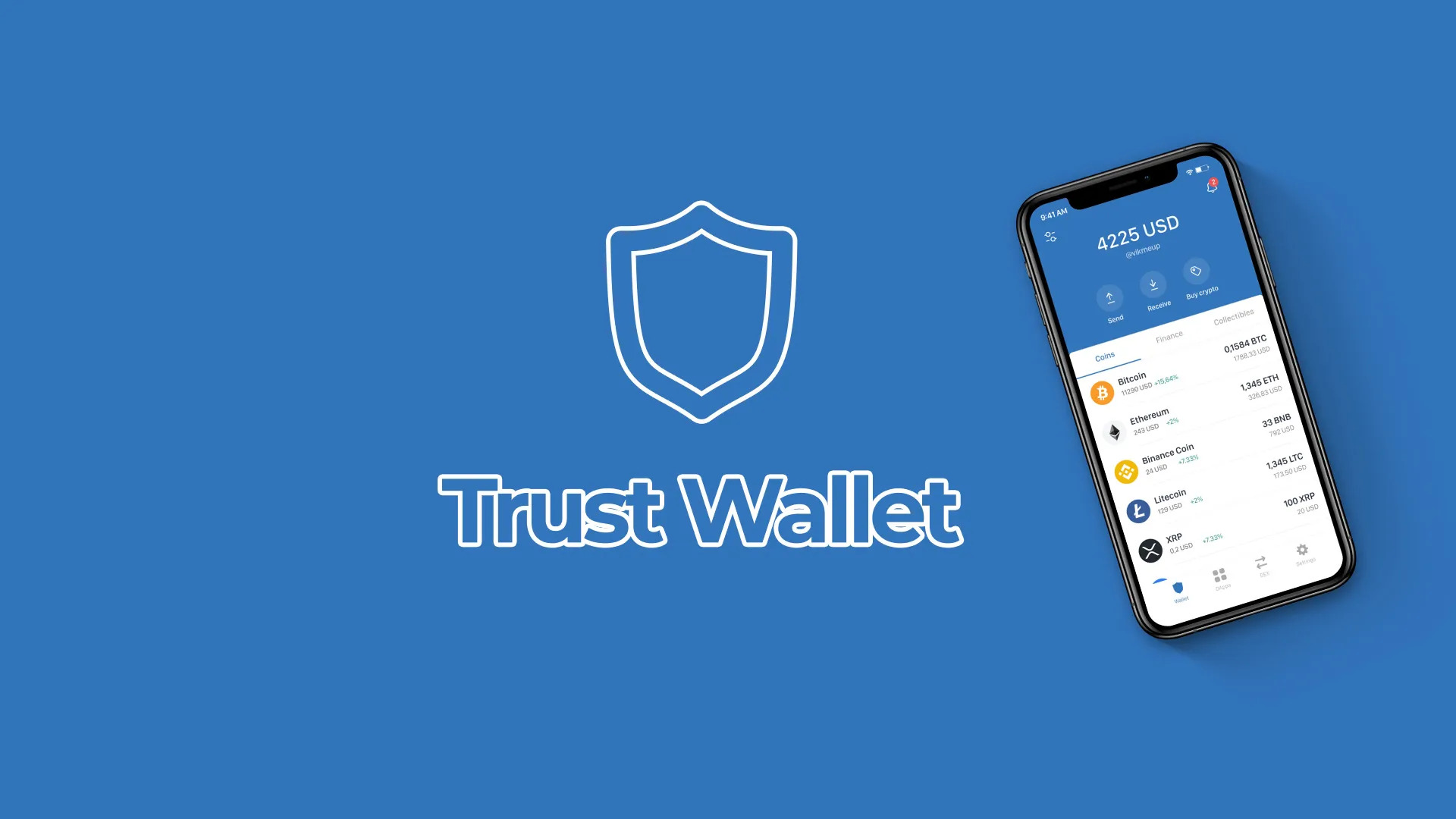
If you want a wallet to try that leans into security and multichain usability, consider truts wallet. It’s not perfect, but it nails session isolation, provides clear staking flows, and its portfolio view is refreshingly transparent. I like that it nudges you to verify on-chain when needed.
FAQ
How should I evaluate a dApp connector?
Look for granular permissions, session expiry, and a clear transaction preview. If it auto-approves large allowances, be cautious.
Is staking safe across all chains?
No. Safety depends on validator selection, slashing policies, and how the wallet mediates staking. Always read validator info and understand lock-up durations.
Can portfolio trackers compromise my privacy?
Yes. Prefer wallets that offer local-only tracking or encrypted sync. Avoid services that automatically upload your full address history without consent.