
Okay, so check this out—I’ve been stubborn about hardware wallets for years. Whoa! Smart-cards changed my thinking. At first I treated backup cards like a gimmick, something cute but unnecessary. Then I lost an old phone and my heart sank. My instinct said I was fine, because I had a seed phrase written down.
But something felt off about that paper backup. It was messy, easily damaged, and frankly a pain to use when I needed access fast. This is where backup cards earn their keep. Seriously? They are compact, durable, and built with the idea that your recovery should be the least painful part of a crisis. Let me be honest—I’m biased toward tactile solutions.
I like stuff I can hold. Initially I thought a metal plate would be overkill, though actually that mindset changed once I saw one dented and still readable after a flood. There’s practical psychology at play. A backup card reduces friction for secure storage. On one hand it’s simpler than memorizing a long mnemonic; on the other hand you must still protect it physically.
Here’s the thing. You’ve probably heard the cautionary tales. Remember the stories about wallets lost on flights, or seed phrases photographed and leaked? Those are avoidable with better tool choices. I’ll be honest—no solution is magic. Backup cards aren’t a silver bullet. They are one layer in a layered defense that includes hardware wallets, secure backups, and careful operational habits.
So what makes a good backup card? Tough materials like stainless steel are a plus. Designs that hide the full seed and require a physical interaction to reveal it are better still. Oh, and by the way, a smart-card approach that integrates with hardware wallets reduces human error. Check this out—I’ve been testing different cards and the ones that pair with a proper hardware wallet are the ones I keep reaching for.
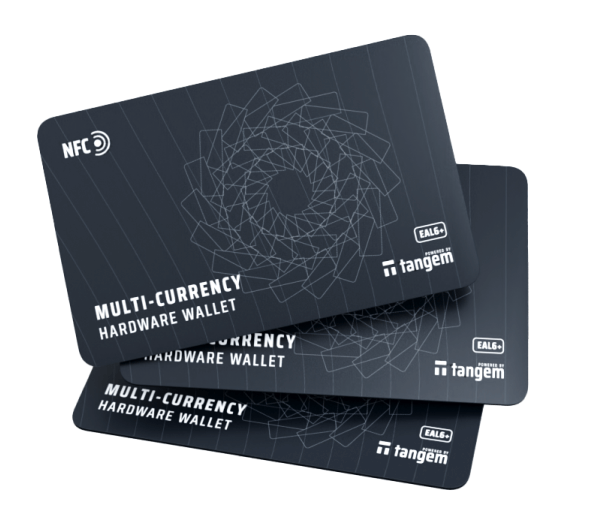
How backup cards fit into modern crypto security
For example, using a card that complements a device like a tangem hardware wallet can streamline recovery without exposing your keys to an online device. My workflow evolved. Initially I thought I could manage with a single seed tucked into a safe deposit box, but then realized accessibility was as important as secrecy. Actually, wait—let me rephrase that: I meant that access and redundancy both matter, and they often conflict. On one hand you want your recovery offline and hidden; on the other hand you want a way to retrieve funds when something goes wrong, without a degree in forensics.
So you plan redundancy. You spread backups across locations, not too many, not too few. And you document who has permission to use them, because family squabbles after a sudden death are very real. This part bugs me. People assume privacy is everything and forget about continuity planning. Hmm… I once set up a friend with a cold storage card, and two years later their sibling couldn’t find the instructions written in the margin of a notebook.
We patched things, but it was a mess. A clear labeled backup card with a simple recovery path is worth paying for. Not because it’s flashy, but because it reduces the human-error tax. Practical rules matter. Keep one primary backup card offsite in a bank safe, and another in a trusted lawyer’s file or a family member’s safe deposit box. Don’t mail them, don’t leave them in a desk drawer that floods, and don’t store them in your wallet.
Really? Yes. Encrypt any documentation that links to the card’s location, and use passphrases where supported to add a second factor. And here’s a subtle point—some recovery cards support cryptographic forms of the seed rather than plain mnemonics, and that reduces exposure in case of casual loss. If you can, choose a card that requires physical tap or near-field interaction to transfer recovery data to a device, so remote attackers can’t siphon it.
Something felt off with old workflows that relied only on paper and memory. My gut said upgrade. Another practical tip: test your recovery plan. Don’t just assume the card works—perform a full dry-run with small funds before you need it with larger sums. Honestly, that little step saved me from a ruined weekend once. The trade-offs are clear. Backup cards add physical security and usability but also add responsibility for physical custody.
If you live in a hurricane zone, think differently than if you live in Denver. Regional risk matters. Store a backup card higher off the ground in flood-prone areas, and consider fireproof containers if you’re in the West where wildfires are more common. People forget that geography influences opsec. And I’m not 100% sure about every vendor’s durability claims—some marketing is optimistic—so verify specs and read independent tests.
Don’t trust ads. Ask around on forums, check reviews, and when possible touch the product yourself. Somethin’ about heft and quality gives you confidence. Also, plan for inheritance. Don’t make your heirs hunt for clues in encrypted files with no password hints because that will lead to lost funds and family drama. (oh, and by the way…) label things clearly and talk to your lawyer.
Legal prep isn’t sexy, but it’s critical. The more complex your holdings, the more you need a layered, tested approach that includes hardware wallets, encrypted digital records, and physical backup cards stored in multiple secure locations. I’m biased toward tangible backups because they match how I think about risk—if I can hold it, I can protect it. But that bias isn’t universal. For some people, multi-sig solutions distributed across devices and custodians make more sense.
On a technical level, combine multi-sig with offline hardware signers for high-value storage. On the human level, keep the process simple enough that someone else could follow it if you become incapacitated. Why does all this matter now? Because crypto adoption is maturing, and as sums grow, so do the stakes for good operational security. A small mistake can cost tens or hundreds of thousands of dollars. That risk feels abstract until it isn’t.
And there are real choices you can make today to reduce that chance. Buy a well-reviewed backup card, pair it with a reputable hardware wallet, test your recovery, spread copies wisely, and document processes with clear instructions for successors. This advice is practical, not theoretical. I still mess things up sometimes, very very human. But following these steps has saved me headaches and kept assets recoverable.
If you want a simple next step, touch that link about the tangem hardware wallet and see how card-based workflows can fit into your life. Start small and iterate. You don’t need to be perfect, just better than yesterday. And ask questions. Seriously, talk to people who have rebuilt access after hardware failures—their lessons are gold. I’m curious what mistakes you’ve seen…
FAQ
What exactly is a backup card?
A backup card is a physical medium—often metal or a smart card—that stores a recovery seed or cryptographic material used to restore access to a crypto wallet; it complements, not replaces, hardware wallets and proper operational procedures.
How many backup cards should I have and where should I store them?
Two is a practical minimum: one offsite (like a bank safe deposit box) and one with a trusted custodian or another secure location; avoid centralizing everything in one place and test the recovery process periodically.