
Whoa! I know that sounds dramatic. I’m biased, but security matters more than shiny APYs. My instinct said hardware wallets were the answer from day one, though actually, wait—let me rephrase that: hardware keys solve a very specific set of problems that most custodial or hot setups simply don’t address. Initially I thought the ecosystem would standardize quickly, but reality proved messier, and that taught me to be both skeptical and practical.
Here’s the thing. Staking and DeFi both promise income and utility, but they expose you to different vectors of risk. Really? Yes. Staking ties funds to a validation process that can penalize you, while DeFi hooks you to smart contracts that might have holes or hidden admin keys. On one hand you’re dealing with protocol-level complexity; on the other, there’s human error and UX traps that bite hard. My experience is hands-on—I’ve restaked, rebalanced, and yes, lost sleep over weird transaction prompts in wallets I thought I trusted.
Hmm… somethin’ about private keys keeps me obsessing. Most people focus on seed phrase backups, and don’t get me wrong—that’s essential. But very very often they ignore the signing process itself: where and how transactions are approved. When staking from a hardware device the signing is local, isolated, and auditable. That isolation reduces attack surface dramatically, though you still need to manage delegation choices, validator risk, and slashing exposure.
Staking basics first: stake to earn rewards, and sometimes to secure a network. Short version: you lock or delegate tokens and receive protocol rewards in return. Medium detail: some chains require you to bond tokens for a fixed period, which affects liquidity and rebalancing. Longer thought: if you plan to run nodes yourself you accept operational overhead and uptime risk, whereas delegating to a vetted validator trades that operational burden for counterparty trust exposure, which you must evaluate.
Okay, so check this out—DeFi introduces composability that feels intoxicating. Wow! You can use staked assets as collateral, wrap tokens, or lend them out for added yield. On the flip side, complex interactions increase counterparty and contract risk, and if approvals are sloppy, a single malicious contract can drain funds even from an otherwise secure device signing flow. My take: use hardware wallets to sign and verify every on-chain intent, and limit approvals to explicit, short-lived allowances.
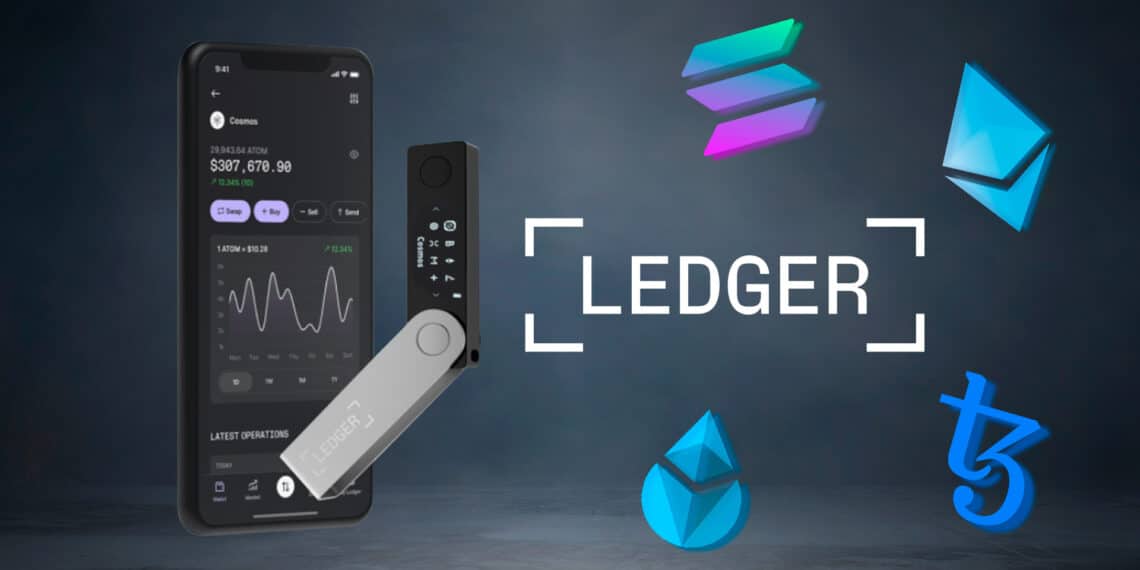
Why a Hardware-First Approach Works
Short sentence: It isolates signing. Initially I thought software wallets would suffice for most people, but then I watched a friend lose funds to a phishing dapp popup. That moment shifted my view—hardware devices keep the private keys offline, and the confirmation screen on the device shows exactly what you’re signing, though sometimes the UX is clunky and that bugs me. Longer thought: this physical confirmation, when paired with careful review of amounts and destination addresses, prevents common parasitic attacks that rely on hijacking the wallet UI or tricking users into confirming malicious transactions.
Here’s a practical note. Use vendor-verified tools to interact with your hardware device. For many users, an integrated app simplifies life and reduces risk of misconfiguration. For example, the desktop and mobile companion applications allow you to manage staking and DeFi flows while the device signs transactions locally. If you want a smoother path, check my favorite flow through ledger live, which connects hardware devices to staking and DeFi services while keeping keys offline—though remember, the app itself is a surface you must trust and update regularly.
DeFi Integration—Balancing Yield with Safety
Really? You can have both yield and safety. Yes, but it’s nuanced. Use hardware wallets to sign interactions and separate your assets across risk buckets: core holdings for long-term staking, active funds for experimental DeFi, and a small hot-wallet stash for quick trades. On one hand this segmentation reduces blast radius; on the other, it increases cognitive load because you manage multiple accounts. I’m not 100% sure everyone will do it, but seasoned users almost always accept that tradeoff.
Complex thought: when you bridge assets or interact with liquidity pools, never sign transactions you don’t fully understand, and always verify the data on your hardware device’s screen, because UI spoofing is a real thing and many malicious contracts exploit token approval flows. A common mistake is mindless “approve unlimited” for ERC-20 tokens, which grants ongoing permission to spend unless you revoke it—so prefer explicit short-term allowances and use revocation tools after finishing a position.
Portfolio Management with Maximum Security
Short burst: Hmm… diversification matters. Medium bit: rebalance based on risk, not FOMO. Longer explanation: define allocations by security posture—cold stake a core amount for long-term yield, keep a moderate portion in liquid pools with audited contracts, and reserve a small, adventurous slice for higher-risk yield farms that you check daily or weekly.
Tools help, though they can also introduce risk. Use read-only portfolio trackers or your device’s companion app to monitor balances without exposing keys. Practice good hygiene: firmware updates, PIN complexity, buried recovery phrase offline in multiple secure locations. I’m biased, but I prefer hardware-first setups and manual verification steps; they slow me down, sure, but they reduce accidental disasters.
Longer thought: taxation and recordkeeping are often overlooked, and they’re part of portfolio risk management. Track staking rewards, unbonding periods, and DeFi earnings in a spreadsheet or a dedicated tax tool, because messy records hamper both audits and personal financial planning. Being organized is boring but reduces surprises later on.
Operational Checklist — What I Do Every Month
Whoa! Routine is underrated. Check device firmware and companion app updates. Verify validator performance and slashing history before re-delegating. Revoke unnecessary token approvals and monitor contract upgrades where you have exposure. Backup recovery phrases in at least two secure, geographically separated places, and test your recovery process every year—literal fire drills help.
Also, set realistic guardrails: maximum exposure limits per protocol, and an internal rule like “never stake more than X% of total net worth to experimental validators.” These rules kept me grounded when yield numbers got irrationally high in a bull market. On one hand yield-chasing feels smart and proactive; on the other, it leads people to ignore systemic risk until it’s too late.
Common Pitfalls and How to Avoid Them
Short sentence: UX deception is everywhere. Medium sentence: phishing dapps and fake wallets mimic legitimate apps with frightening quality. Longer sentence: when you connect a wallet to an unknown site, the contract call may request permissions or perform side-effect transactions that won’t be obvious without reading low-level calldata, which most users don’t do—and that’s where hardware confirmation screens become your last line of defense.
Avoid giving blanket approvals. Avoid running validators on default configurations without monitoring. Avoid complacence after a string of easy wins in yield farming. I’ll be honest: some parts of this space feel like a casino, and that part bugs me—it’s addictive, and people rationalize risk until regret shows up.
Frequently Asked Questions
Can I stake through a hardware wallet without giving up control?
Yes. Delegation generally keeps your keys in your custody while assigning validation rights to a node. Use your hardware device to sign delegation transactions and avoid custodial staking unless you accept third-party control. Also check lockup and unbonding terms carefully.
Is DeFi safe with a hardware wallet?
It’s safer, not invulnerable. Hardware wallets protect keys and signing, but smart contract and protocol risk remain. Use audits, limit exposure, and never approve unlimited allowances. Regularly review approvals and use revocation tools.
How often should I update firmware and apps?
Promptly, but on a schedule: check for updates weekly and read release notes when possible. Apply security patches soon after release, and avoid hurried updates during high-volatility trading windows so you can verify everything calmly.