
Okay, so check this out—I’ve been fiddling with crypto hardware wallets for a while now, and somethin’ about the usual bulky devices just doesn’t sit right with me. You know the type: little USB sticks or clunky gadgets that you have to plug in, worry about losing, or worse, accidentally exposing your private keys. Seriously? In 2024, we deserve better.
Enter contactless smart card wallets. The idea’s simple but kinda brilliant. Imagine carrying your crypto private keys on a sleek card, much like your credit card, and managing payments or transfers just by tapping it on your phone or reader. No wires, no fuss.
My first gut reaction was skepticism. How secure can a contactless device be? It sounds like begging for hackers to swoop in. But then I stumbled upon the tangem wallet. These cards are not your average NFC gimmicks—they store private keys securely inside the chip, never exposing them directly, which feels like a pretty strong defense.
Hmm… Initially, I thought the contactless aspect might compromise security. But the more I dug, the more I realized that the tech actually leverages hardware-based encryption and tamper-resistant chips, making it almost impossible for attackers to extract keys, even if they physically get hold of the card. That’s a game-changer.
Wow! Just the convenience factor alone makes me rethink how I handle crypto daily.
One thing that bugs me, though, is the backup strategy. Traditional hardware wallets often have seed phrases, but with smart cards, the approach is a bit different. Tangem, for example, offers backup cards that allow you to restore your wallet without writing down complex seeds. It’s like having a spare key hidden in plain sight—but smarter and less risky.
This backup system is kind of elegant but also raises questions. What if you lose both cards? Or worse, what if someone else gets the backup? Sure, the cards require user authentication, but I’m not 100% sold on how foolproof that is in everyday use.
Still, the fact that you can carry your crypto securely on a card that fits in your wallet, without needing cables or apps always running, feels like the future sneaking up on us.
On one hand, contactless wallets solve pain points like ease of use and portability. Though actually, on the other hand, they introduce new challenges around physical security and backup management. It’s a trade-off, but one I’m willing to explore more deeply.
Here’s the thing: With traditional wallets, losing your device or seed phrase means disaster. Tangem’s backup cards try to eliminate that single point of failure. It’s almost like carrying multiple keys to your safe deposit box, except these keys are encrypted chips.
Check this out—
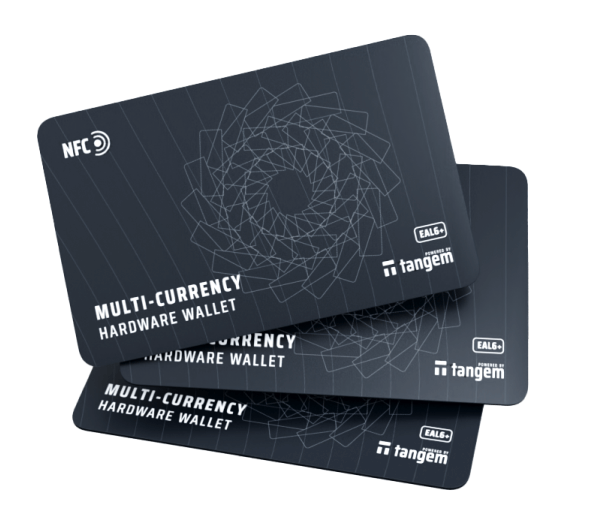
Having held a tangem wallet in my hand, it really feels like a credit card, but packed with next-level crypto security. The contactless interface means you just tap it against your phone, and boom, your transaction is ready for signing inside the secure element. No data leaks, no private keys floating around.
And for US users who are always on the go, this is huge. Think about buying your morning coffee or splitting a dinner bill with crypto without fumbling for cables or opening clunky apps. Just a tap and done. Honestly, it feels more natural than many mobile wallets I’ve tried.
Now, I’m biased, but the tangem wallet’s approach to private key protection is very very important. Unlike software wallets that can be hacked remotely, this hardware stores keys offline, isolated from malware and phishing attempts. That’s peace of mind money can’t buy.
Of course, no system is perfect. Sometimes I wonder about the durability of these cards—will they survive daily wear and tear? What if the NFC chip malfunctions? Tangem claims high durability, but time will tell.
Another neat feature is the convenience around multi-currency support. One card can hold different crypto assets, which cuts down on the clutter of managing multiple wallets or seed phrases. That’s a subtle but big win for casual users who don’t want to become crypto nerds.
Still, it’s not for everyone. If you’re someone who likes full control over seed phrases and paper backups, or you’re super paranoid about physical loss, then maybe this isn’t your jam. But for folks craving convenience without sacrificing security, contactless cards like tangem wallet are a breath of fresh air.
One thing I’ve learned is that the best crypto security solutions often come from blending traditional principles with innovative tech. Tangem nails this by embedding secure hardware with contactless ease, and their backup cards show a thoughtful approach to redundancy.
Oh, and by the way, the whole tap-to-pay aspect is growing fast in the US retail scene. It’s about time crypto caught up. The tangem wallet fits right into this ecosystem, making crypto payments feel less like a tech experiment and more like everyday cash.
Still, I keep wondering about adoption hurdles. Will mainstream users trust a card they can’t physically see the keys for? Probably takes some education and a bit of hands-on experience to build that trust.
But hey, that’s crypto in a nutshell—always evolving, sometimes messy, but full of promise.
So yeah, if you’re on the lookout for an innovative, secure, and user-friendly way to store and use crypto, give the tangem wallet a look. It’s a smart card for a smart era. And honestly, it might just change how we think about crypto security and payments forever.